Web of Wonders: Meet the Spiders of North Carolina
(Updated: Oct. 30, 2026, 10:38 a.m.)
[This article by Amanda Kerr was originally posted atCALS News.]
From the black widow to the brown recluse, spiders have a bit of a reputation. But whether you’re an arachnophobe (someone who is afraid of spiders) or an avid tarantula collector, these eight-legged creepy-crawlies are here to stay.
In North Carolina, more than 1,000 species of spiders in over 50 families can be found in various natural habitats, from the woods to fields to the coast, as well as in our gardens, homes, and other built structures.
Spiders of North Carolina, a new NC State Extension publication, highlights hair-raising facts about these arachnids crawling through the state. But it’s not really a nightmare — spiders serve an important role in the ecosystem, eating pests like mosquitoes, wasps, cockroaches, and flies. And they rarely bite humans – bites happen only in defense and when a spider is trapped against the skin. Although some arthropods feed on blood, no spiders bite people to consume their blood.
“From the mountains to the coast, North Carolina has a rich diversity of spiders. Some build webs to trap prey, others hide on flowers to hunt insects looking for nectar, and many inhabit the ground, hunting prey on eight legs,” says Matt Bertone, an Extension associate and director of NC State’s Plant Disease and Insect Clinic.
“Spiders may use traps and lures, spit at their prey, or jump on potential food from a distance. Despite the fear spiders may induce, our local species are almost all harmless and provide numerous benefits to ecosystems, agriculture and home landscapes. Overall, North Carolina’s hundreds of species of spiders are something to elicit awe and wonder, rather than terror.”
Spiders of North Carolina
Discover the variety of spiders that call the state home in this new publication from NC State Extension.
Check out these six North Carolina spiders and discover the not-so-haunting truth about where they live, what they eat and the webs they spin.
Ghost Spiders
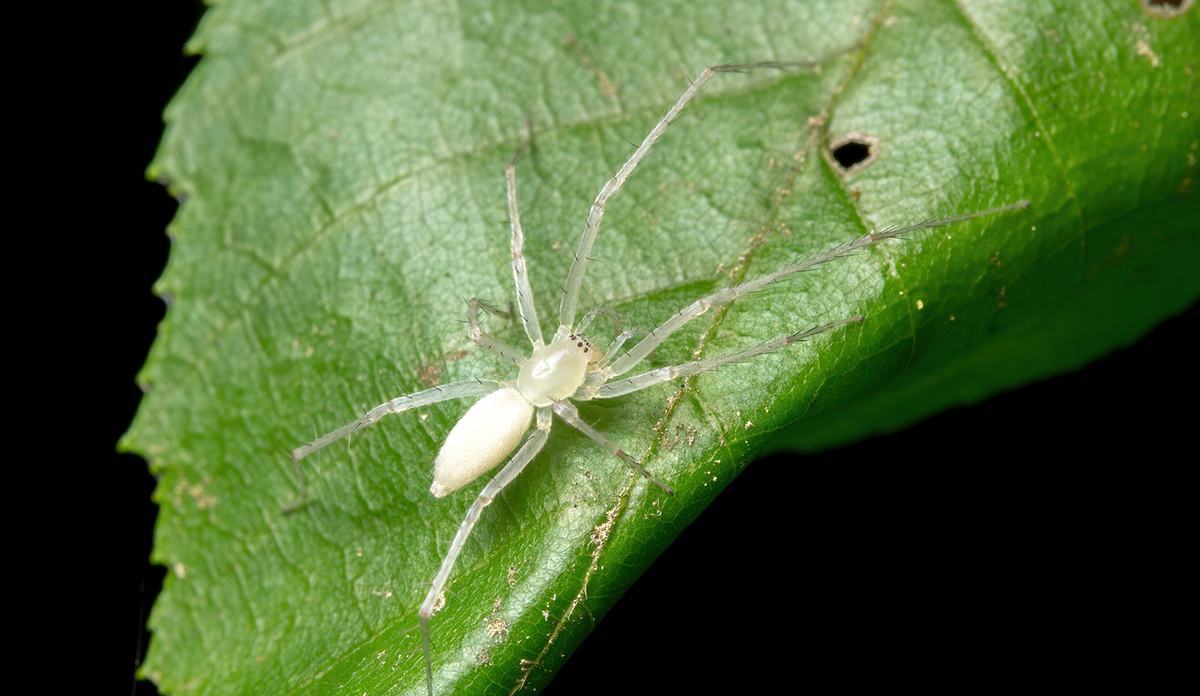
Ghost spider (Wulfila albens; family Anyphaenidae). (Photo by Matt Bertone)
Ghost spiders, in the family Anyphaenidae, are small to medium-sized spiders that often have long legs. The family contains over 600 species worldwide, 37 of which are found in North America north of Mexico. These spectral spiders are found throughout North Carolina.
They are mostly nocturnal hunters, living under dead leaves and bark, on leaf surfaces and sometimes in people’s homes. They do not make traditional webs but rather use silk to construct egg sacs and retreats to hide in. They hunt primarily by wandering in search of prey.
Golden Orbweaver Spiders
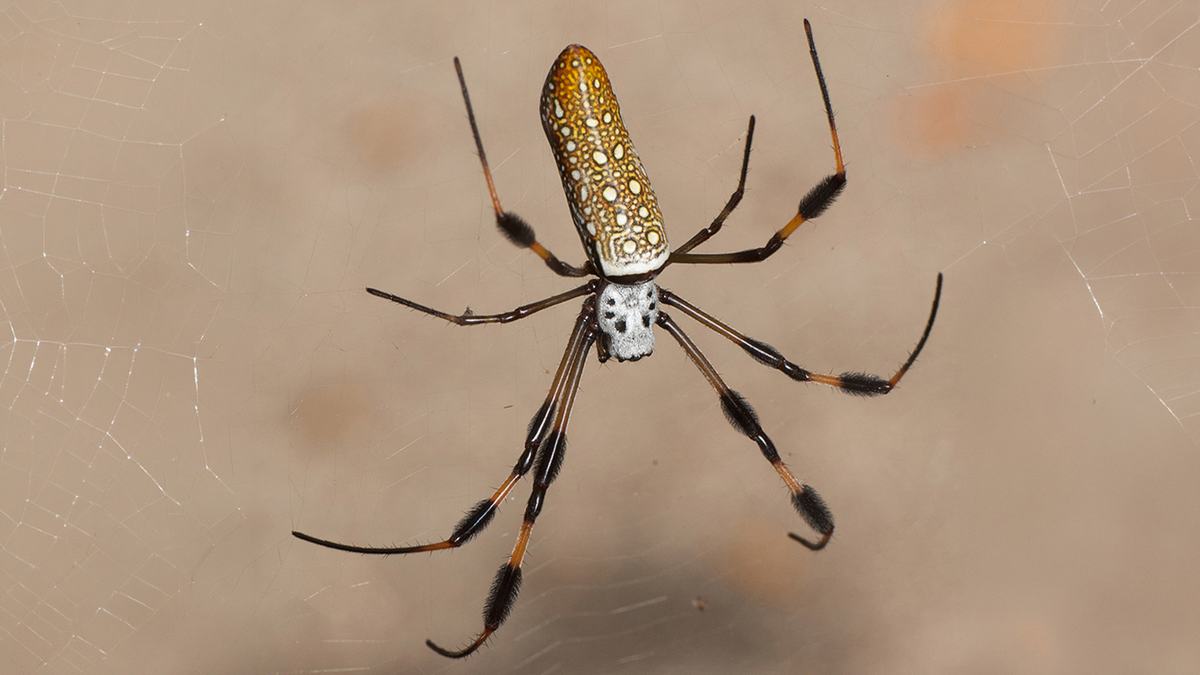
Golden silk spider (Trichonephila clavipes; family Nephilidae). (Photo by Matt Bertone)
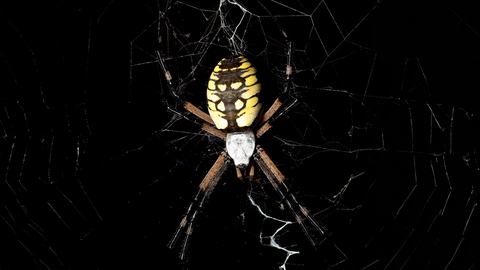
Golden orbweaver spiders have been placed variously in the family Araneidae (orbweavers) or family Tetragnathidae (long-jawed orbweavers); however, they are often considered to be in their own family, Nephilidae. Two species in one genus (Trichonephila) in this family are found in the United States; globally, there are more than 30 species.
The golden silk spider (T. clavipes), sometimes called the banana spider, is native and often found near the North Carolina coast, though it can also be found inland. The Jorō spider (T. clavata) was first recorded in Georgia in 2014 and is native to East Asia; it is spreading, and specimens have been found in North Carolina. These spiders (along with other orbweavers) build large webs in open, woody areas and will partially rebuild their webs if damaged. Females are significantly larger than males. Despite being large, golden orbweavers are not aggressive and are harmless to humans.
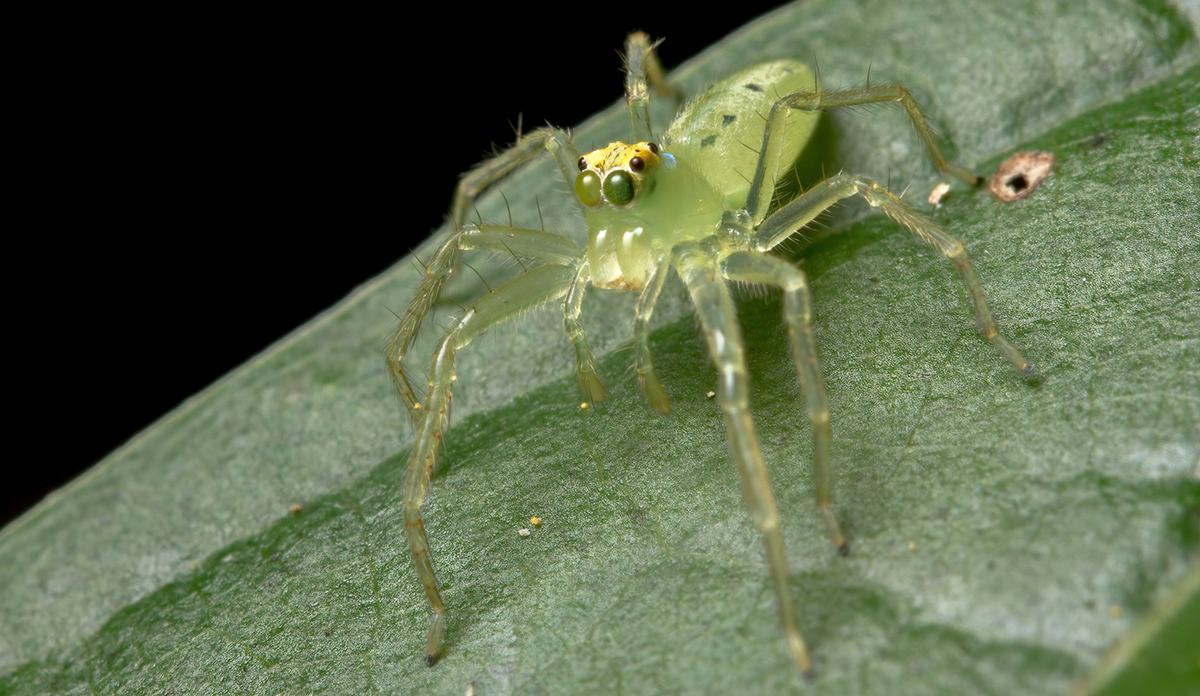
Jumping Spiders
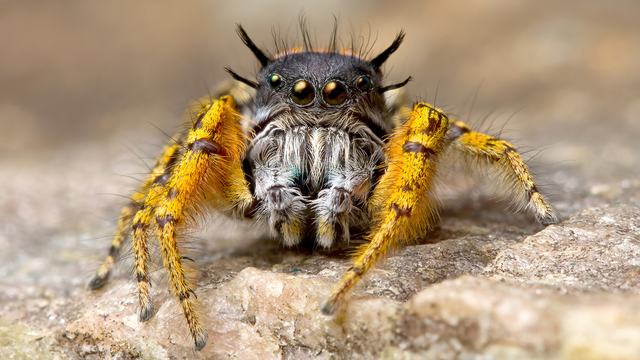
Magnolia jumping spider (Lyssomanes viridis; family Salticidae). (Photo by Matt Bertone)
Jumping spiders are a very common, distinctive family of charismatic and intelligent (curious) spiders found across all regions of North Carolina from the coast to the mountains. These small to medium-sized spiders come in many colors and forms, from black-and-white to green or gold. Salticidae is the largest family of spiders, exceeding 6,000 species worldwide with more than 300 in the United States and Canada.
They can be found in many different habitats, from leaf litter to tree canopies. Some jumping spiders mimic ants, beetles, and even tree bark, and the males are typically very colorful or ornamented to attract mates; many also dance to entice potential mates. These spiders may create silken retreats to hide in. Spiders in this family do not spin webs for catching prey, but rather they ambush and capture prey by jumping on them (thus the name). They are not harmful to humans, and some people even keep them as pets.
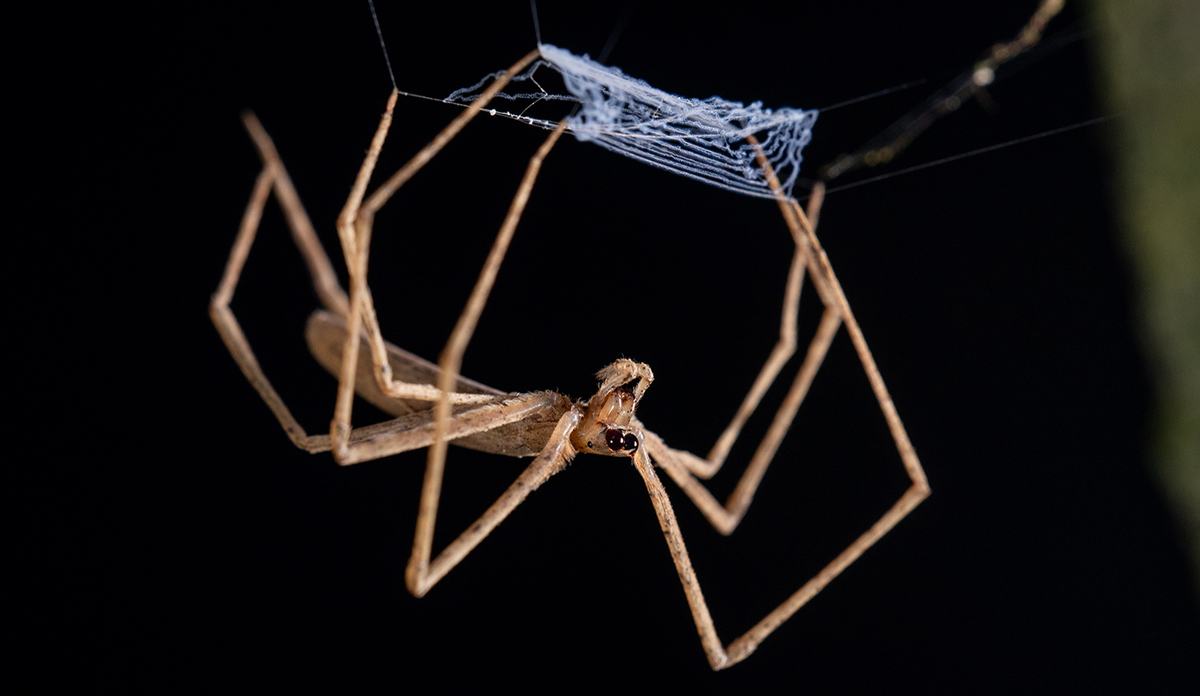
Ogrefaced Spiders
Ogrefaced spider (Deinopis spinosa; family Deinopidae). (Photo by Lyn Roueche)
Ogrefaced or net-casting spiders are a unique family of spiders with very striking features. The most obvious feature is the massive pair of eyes on the face, used to find prey at night.
These spiders are also known for their ability to spin a small net-like web that they use to capture prey with their legs. When they are not hunting, these spiders look like twigs as they sit motionless on a branch, unnoticeable to passing predators and prey. There are about 70 species worldwide, with only two species in the United States.
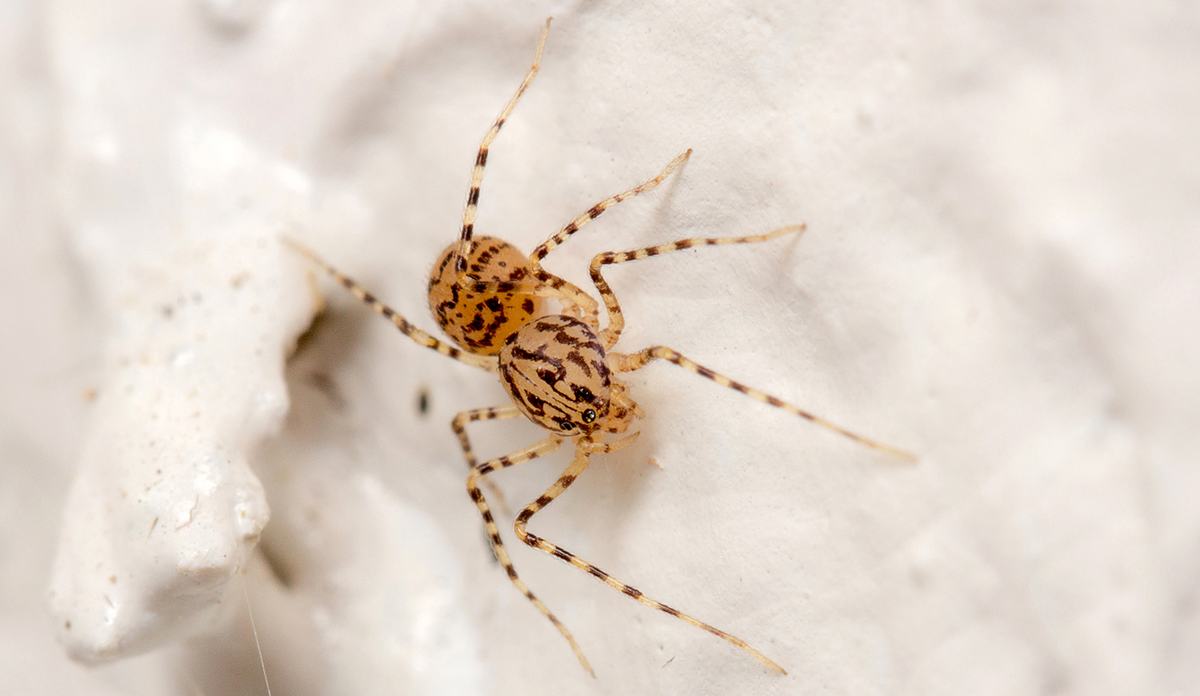
Spitting Spiders
Spitting spider (Scytodes thoracica; family Scytodidae). (Photo by Matt Bertone)
Spitting spiders, in the family Scytodidae, resemble cellar spiders (Pholcidae), but their behavior is different. These spiders get their name from the unique way in which they capture prey: by “spitting” strands of venomous silk from their fangs to subdue their victims. This behavior is unique among spiders, and they are the only spiders to have silk glands in their cephalothorax.
There are about 250 species in the world, with about 9 species in the United States and Canada (many of which are not native). They live throughout North Carolina. These spiders can be found in and around human structures or outside in litter and under rocks. Despite their saliva-spitting powers, they are harmless to humans.
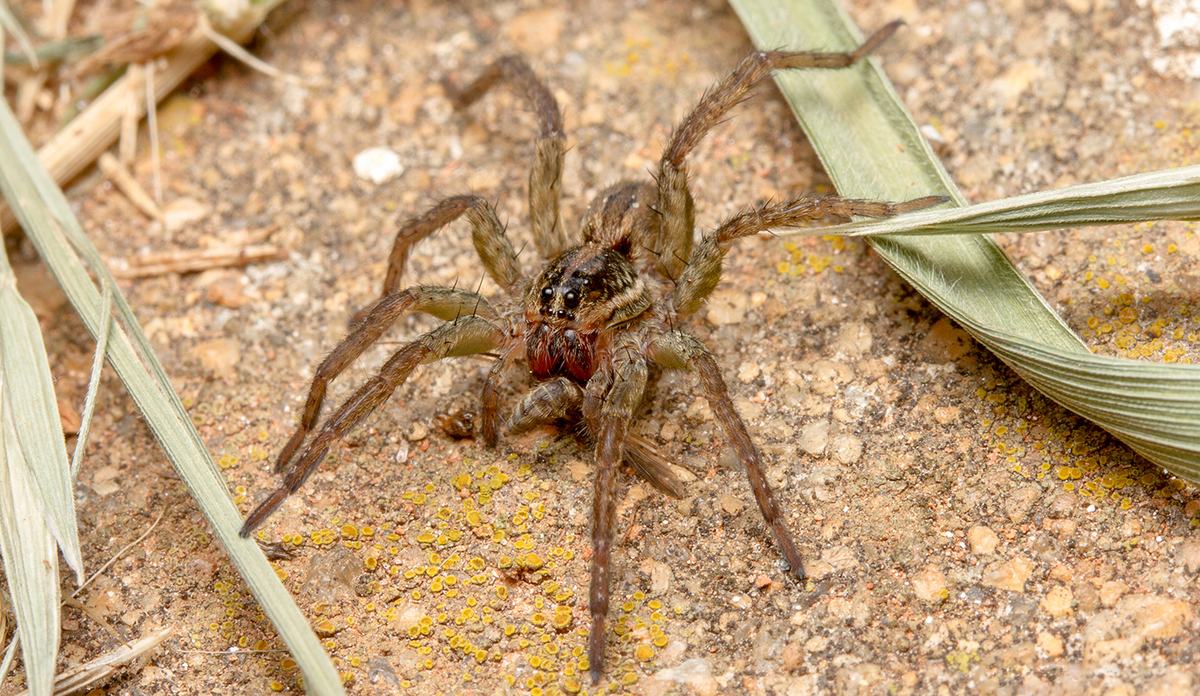
Wolf Spiders
Wolf spider (family Lycosidae) subduing prey. (Photo by Matt Bertone)
Members of the family Lycosidae are often thought of as the big, bad wolf spider — except this family of spiders is not bad! With more than 2,400 species in the world, however, the family certainly is big.
These generally medium-sized spiders are efficient hunters, as they have good eyesight (for spiders, that is). Wolf spiders are very common in North Carolina and are found in diverse habitats, from wetlands to forests to grasslands. Most stalk or ambush prey rather than build webs. The females in this family are distinct because they carry their egg sacs with them, then carry the babies on their backs after they hatch. Despite their “big, bad” nickname, wolf spiders are harmless to humans.
WATCH: The Amazing Spiders of North Carolina
WATCH: One Giant Leap | Joro Spiders in North Carolina
Explore More Extension Publications
Explore the full catalog of NC State Extension publications and learn more about everything from gardening and landscaping to pest management and food and nutrition.