



Snakes Are Active in Henderson County
go.ncsu.edu/readext?716135
en Español / em Português
El inglés es el idioma de control de esta página. En la medida en que haya algún conflicto entre la traducción al inglés y la traducción, el inglés prevalece.
Al hacer clic en el enlace de traducción se activa un servicio de traducción gratuito para convertir la página al español. Al igual que con cualquier traducción por Internet, la conversión no es sensible al contexto y puede que no traduzca el texto en su significado original. NC State Extension no garantiza la exactitud del texto traducido. Por favor, tenga en cuenta que algunas aplicaciones y/o servicios pueden no funcionar como se espera cuando se traducen.
Português
Inglês é o idioma de controle desta página. Na medida que haja algum conflito entre o texto original em Inglês e a tradução, o Inglês prevalece.
Ao clicar no link de tradução, um serviço gratuito de tradução será ativado para converter a página para o Português. Como em qualquer tradução pela internet, a conversão não é sensivel ao contexto e pode não ocorrer a tradução para o significado orginal. O serviço de Extensão da Carolina do Norte (NC State Extension) não garante a exatidão do texto traduzido. Por favor, observe que algumas funções ou serviços podem não funcionar como esperado após a tradução.
English
English is the controlling language of this page. To the extent there is any conflict between the English text and the translation, English controls.
Clicking on the translation link activates a free translation service to convert the page to Spanish. As with any Internet translation, the conversion is not context-sensitive and may not translate the text to its original meaning. NC State Extension does not guarantee the accuracy of the translated text. Please note that some applications and/or services may not function as expected when translated.
Collapse ▲This summer has been warm and wet. There are high populations of rodents. All these things snakes enjoy.
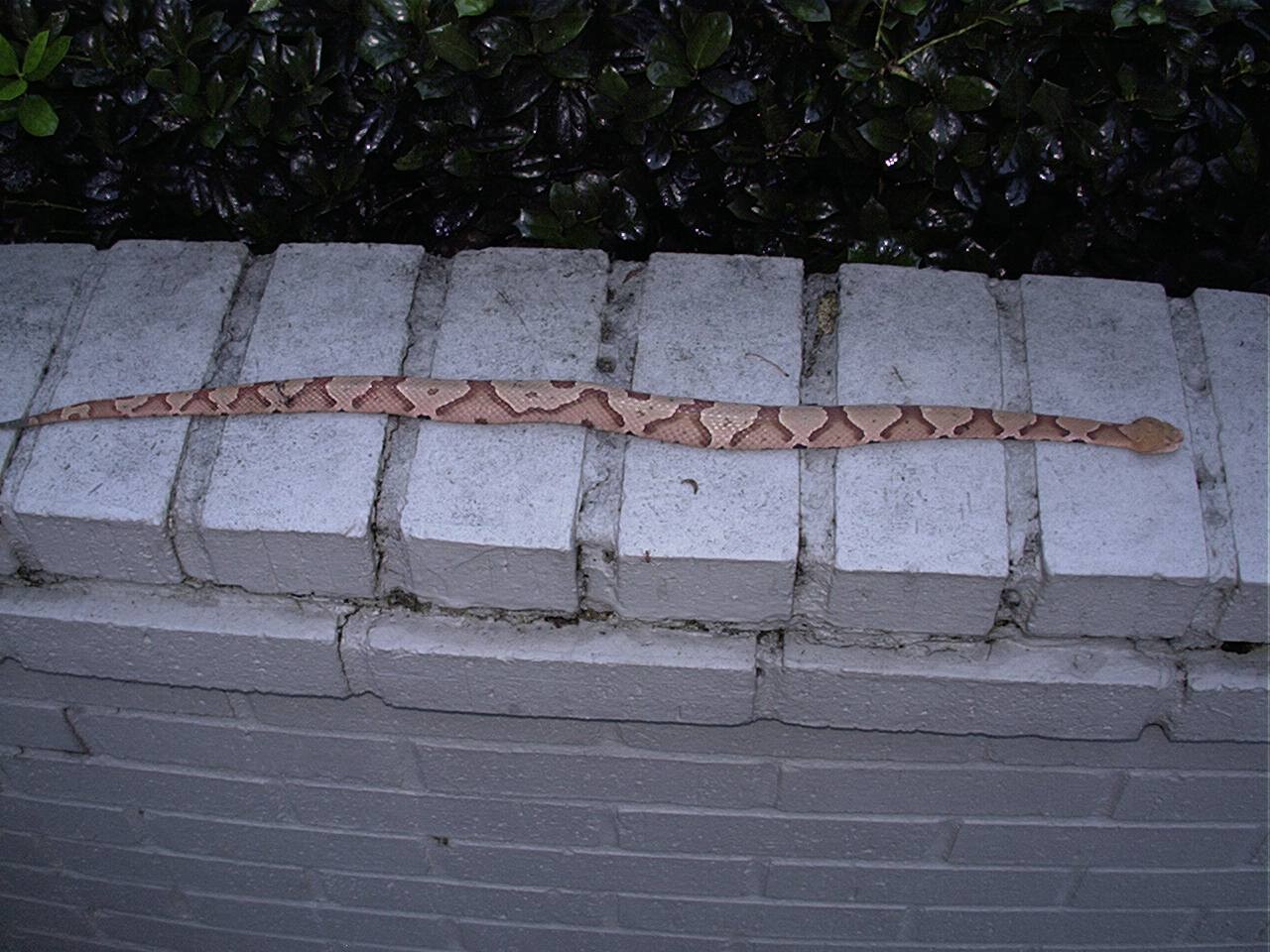
Notice the saddle-like brown markings against a lighter tan background on this copperhead. The snake also has a wide triangular shaped head. These can be mistaken for common water snakes.
Luckily we only have two species of snakes that are venomous locally; the timber rattler and the copperhead. We have heard from many residents who have reported seeing copperheads. Where timber rattlers tend to be shy and avoid areas where people are active, copperheads will go where they wish.
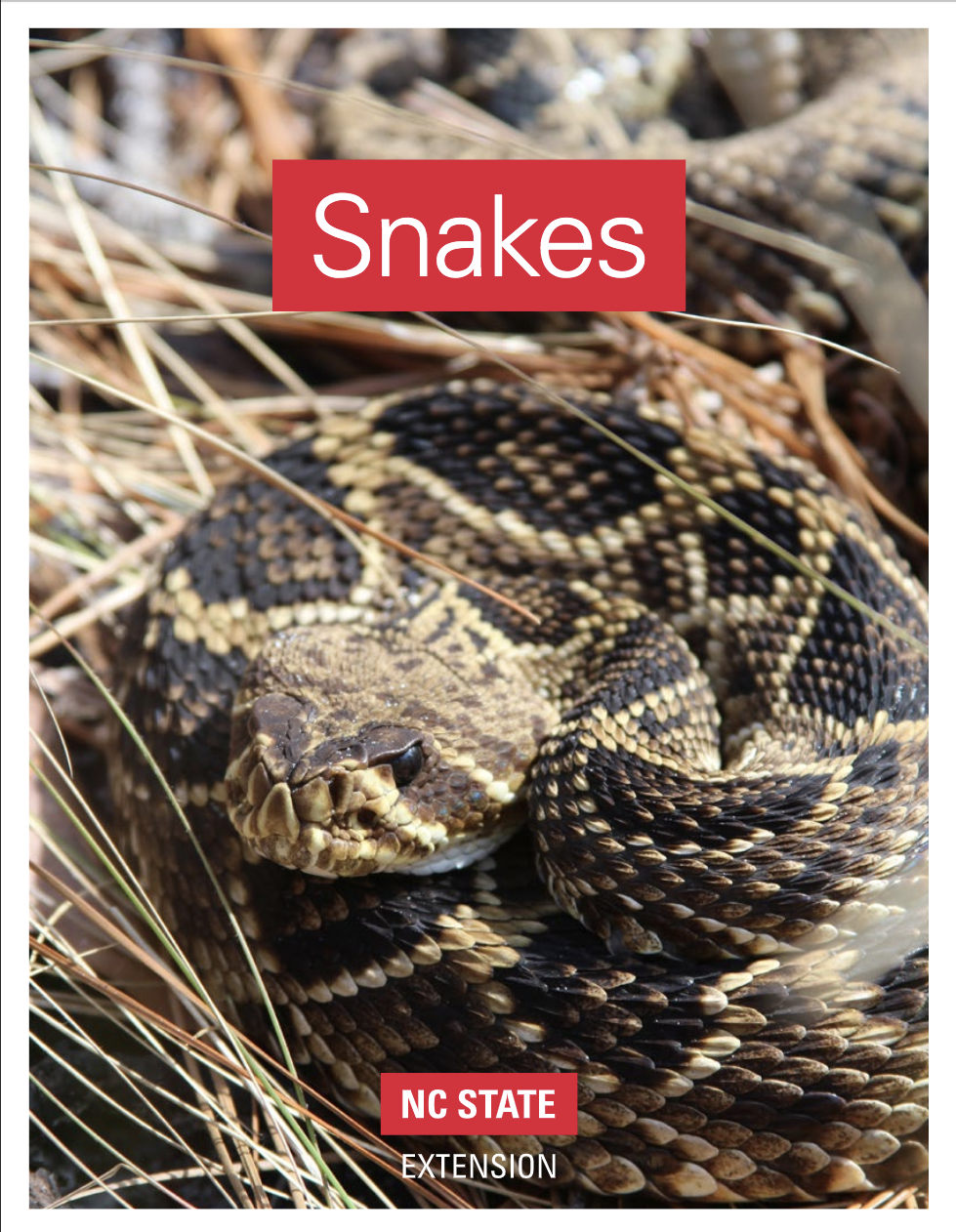
This NC State Extension publication on SNAKES is helpful for differentiating harmless snakes from venomous snakes.
It is not unusual to run into a copperhead when hiking trails in moist woods. Gardeners run into them while weeding. Sometimes people find the snakes in their garage.
They key to fewer interactions with copperheads is avoiding them. Copperheads love water. Try to avoid hiking in moist woodlands near creeks in the heat of the summer. Do not stick your hands anywhere that you are not sure is snake free. Wear high boots and avoid sandals when hiking or gardening. Keep garage, porch, and basement doors closed.