
Cabbage Seedpod Weevil
go.ncsu.edu/readext?175202
en Español / em Português
El inglés es el idioma de control de esta página. En la medida en que haya algún conflicto entre la traducción al inglés y la traducción, el inglés prevalece.
Al hacer clic en el enlace de traducción se activa un servicio de traducción gratuito para convertir la página al español. Al igual que con cualquier traducción por Internet, la conversión no es sensible al contexto y puede que no traduzca el texto en su significado original. NC State Extension no garantiza la exactitud del texto traducido. Por favor, tenga en cuenta que algunas aplicaciones y/o servicios pueden no funcionar como se espera cuando se traducen.
Português
Inglês é o idioma de controle desta página. Na medida que haja algum conflito entre o texto original em Inglês e a tradução, o Inglês prevalece.
Ao clicar no link de tradução, um serviço gratuito de tradução será ativado para converter a página para o Português. Como em qualquer tradução pela internet, a conversão não é sensivel ao contexto e pode não ocorrer a tradução para o significado orginal. O serviço de Extensão da Carolina do Norte (NC State Extension) não garante a exatidão do texto traduzido. Por favor, observe que algumas funções ou serviços podem não funcionar como esperado após a tradução.
English
English is the controlling language of this page. To the extent there is any conflict between the English text and the translation, English controls.
Clicking on the translation link activates a free translation service to convert the page to Spanish. As with any Internet translation, the conversion is not context-sensitive and may not translate the text to its original meaning. NC State Extension does not guarantee the accuracy of the translated text. Please note that some applications and/or services may not function as expected when translated.
Collapse ▲|
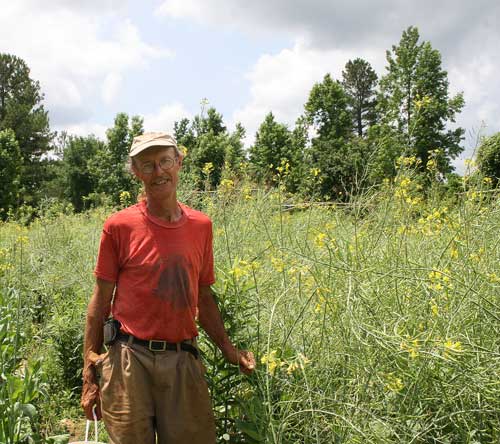
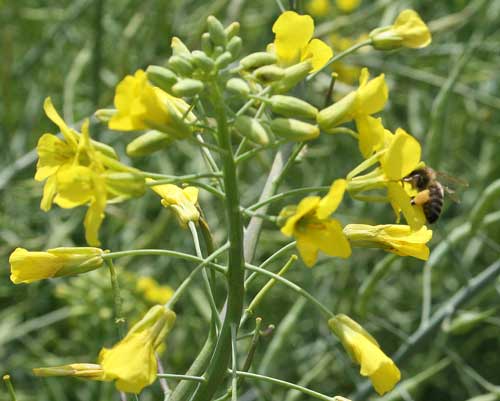
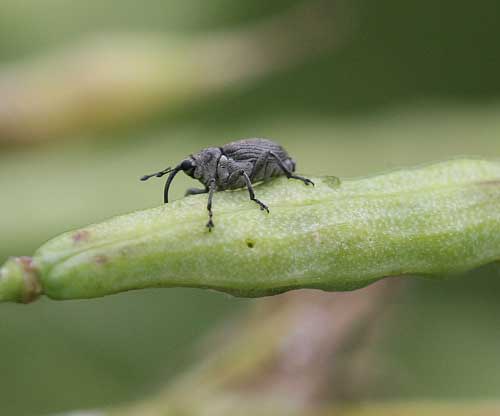
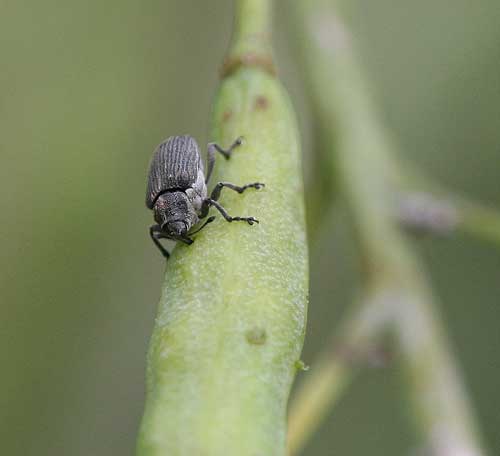
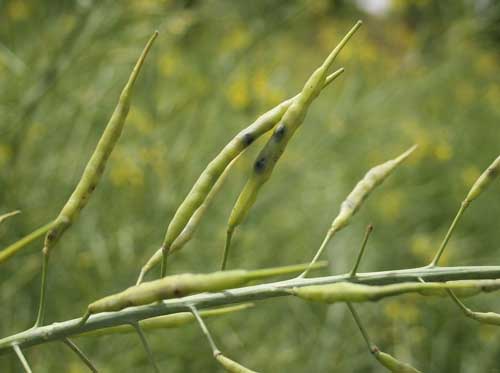
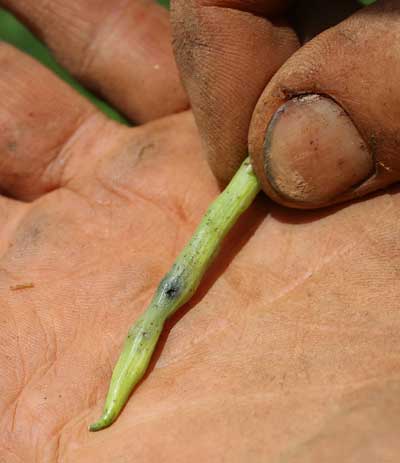
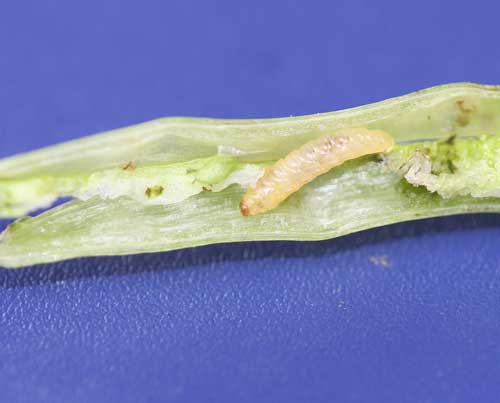
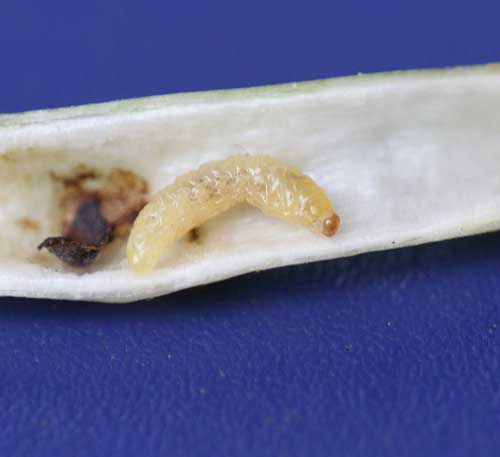
Photos by Debbie Roos, Agricultural Extension Agent. May 2009Description and Biology of the Cabbage Seedpod Weevil Not too much is known about the cabbage seedpod weevil in North Carolina. In fact, NC State University entomologists said we set a new county record for this pest (tell them what they win!) and it had previously only been recorded in the western part of the state. Organic control strategies: Research has shown that trap crops can be effective, so Doug is evaluating which trap crops would flower before the senposai and be more attractive to the weevils. Parasitic wasps also can help reduce both adult and larval weevil populations so farmscaping to help enhance populations of these parasitoids may be helpful. An organically approved pesticide such as Entrust® or Surround® may provide some control (see Pesticide Use Guidelines).
* These recommendations apply only to North Carolina. They may not be appropriate for conditions in other states and may not comply with laws and regulations outside of North Carolina. Certified organic growers should consult their certifier before using a new pesticide. Unless otherwise noted, these recommendations were current as of June 2009. Individuals who use pesticides are responsible for ensuring that the intended use complies with current regulations and conforms to the product label. Be sure to obtain current information about usage regulations and examine a current product label before applying any pesticide. For assistance, contact your county Cooperative Extension Service agent. The use of brand names and any mention or listing of commercial products or services in the publication does not imply endorsement by the North Carolina Cooperative Extension Service nor discrimination against similar products or services not mentioned. This page last updated June 11, 2009. |